Claim Surplus Funds Yourself: Free DIY Guide & Documents
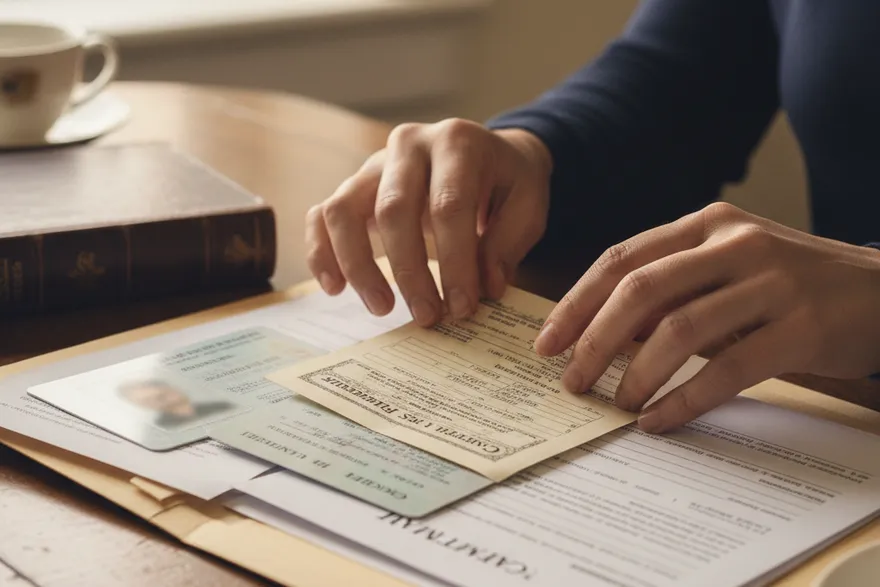
Recovery companies want you to believe claiming your surplus is complicated. In a typical case, it isn’t. Here’s how to do it without handing over 30–50%.
Step 1: Confirm the surplus and who holds it
Check the sale records to confirm the home sold for more than you owed, and identify who is holding the money — the trustee (nonjudicial states), the court (judicial states), or the county treasurer/clerk (tax sales). Our finder points you to the right office. (More detail in the full claim guide.)
Step 2: Gather your documents
You’ll generally need:
- Government-issued photo ID
- Proof of prior ownership — recorded deed, a mortgage statement, or the foreclosure case number
- The case or parcel number and the sale date
- The office’s claim form (or, in judicial states, a motion for disbursement of surplus)
- Heirs: the owner’s death certificate plus letters of administration / probate order
Many courts and counties publish their surplus claim form and instructions online. Some state courts (for example, California and Utah) have self-help pages walking you through the motion or claim.
Step 3: File before the deadline
Submit the claim to the correct office, keep copies of everything, and get confirmation of receipt. Deadlines vary — see your state. Filing fees, if any, are usually small. If junior lienholders exist, the office or court resolves priority before paying you.
Step 4: If you missed the deadline — the unclaimed-property route
If your surplus was already turned over to the state, it’s not gone. Search your state’s official unclaimed-property database (free) and file a claim there. Use only the official state program:
- The national directory at unclaimed.org links to every state’s official site.
- Your state’s controller, treasurer, or financial-services department runs the program.
Never pay a “search” site to find money the official state database lists for free. Free is free.
When to bring in a lawyer (or fee-capped help)
DIY is fine for clean claims. Consider professional help when:
- There are competing or disputed junior liens
- The owner has died and the estate is contested
- There are multiple owners or a divorce decree in play
- The amount is large and the paperwork is complex or out-of-state
Even then, a flat-fee attorney often costs far less than a 30–50% finder cut — and many states cap finder fees anyway. Compare before you sign anything.
You’ve got this. The surplus is your money, the forms are usually simple, and the help you might need is the affordable kind.
Common questions
Can I claim surplus funds without a lawyer?
What documents do I need to claim surplus funds?
How do I find my surplus funds for free?
Is the state unclaimed property site free?
This article is general information, not legal or financial advice. Foreclosure surplus and tax-sale overage laws, deadlines, and procedures vary by state and county and change over time. Always confirm the current rules with your county clerk, trustee, or treasurer, your state’s unclaimed-property office, or a licensed attorney before acting. Sources are listed on our sources page.