Tax-Sale Overage & Excess Proceeds: How to Claim Yours
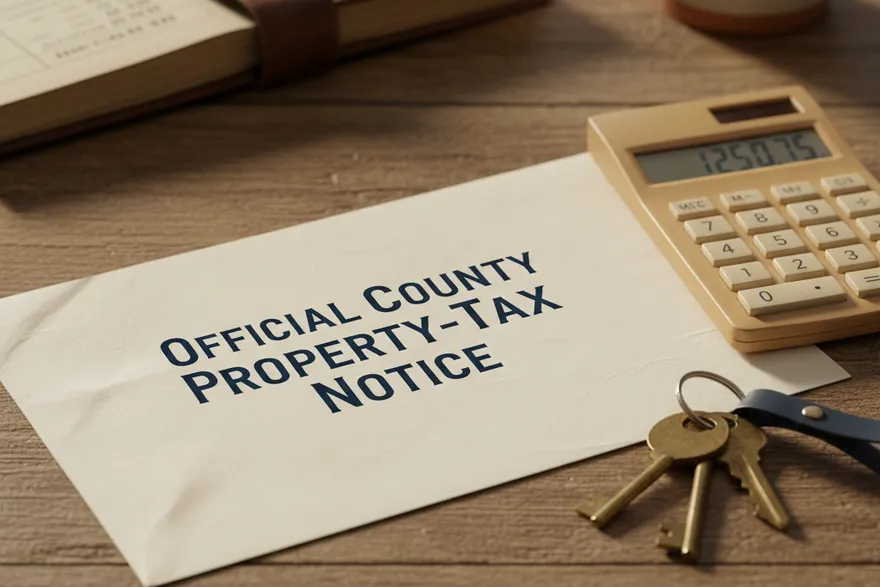
Property can be sold not just for an unpaid mortgage but for unpaid property taxes. When that tax sale brings in more than what was owed, the leftover is the overage (or excess proceeds). It’s the same idea as a foreclosure surplus, but a different legal lane.
Tax-sale overage vs. mortgage surplus
- The trigger is different. Overage comes from a property-tax sale; mortgage surplus comes from a lender’s foreclosure.
- The office is different. Overage is usually held by the county treasurer, tax collector, or clerk; mortgage surplus by a trustee or court.
- The law is different. Each is governed by its own state statutes, with its own deadlines and claim forms.
If you’re unsure which applies to you, the cause of the sale tells you: a missed mortgage means surplus (read more); missed property taxes means overage.
Who gets the overage
After the taxes, penalties, interest, and sale costs are paid, the remainder is distributed to lienholders in priority order and then to the former owner. As with mortgage surplus, you generally must file a claim or petition — the county won’t track you down.
Deadlines (examples)
- Texas: a person claiming excess proceeds from a tax sale must file a petition before the 2nd anniversary of the sale, or the funds go to the taxing units Tax Code §34.04.
- Florida: tax-deed surplus claims are due 120 days from the clerk’s notice, after which the money is handled as unclaimed property Fla. Stat. §197.582.
- California: excess proceeds from a tax sale are generally claimed within one year of recording the tax deed Rev. & Tax. Code §4675.
Other states differ — use the finder and confirm with your county.
The Supreme Court settled the big question
For years, some states let governments keep the entire proceeds of a tax sale — taking far more than the tax debt. In Tyler v. Hennepin County (2023), the U.S. Supreme Court unanimously held that this is an unconstitutional taking: the government can collect what it’s owed, but the surplus belongs to the former owner. Many states have since rewritten their tax-sale laws. Read what Tyler means for you →
How to claim your overage
The process mirrors a surplus claim: confirm the overage, identify the county office holding it, file before the deadline with your ID and proof of prior ownership, and follow up. Full walkthrough in our step-by-step guide, and you can almost always do it yourself for free.
Common questions
What is a tax-sale overage?
How is tax-sale overage different from foreclosure surplus?
Who is entitled to excess proceeds from a tax sale?
How long do I have to claim tax-sale overage?
This article is general information, not legal or financial advice. Foreclosure surplus and tax-sale overage laws, deadlines, and procedures vary by state and county and change over time. Always confirm the current rules with your county clerk, trustee, or treasurer, your state’s unclaimed-property office, or a licensed attorney before acting. Sources are listed on our sources page.